
Reviewed · DERRY-LONDONDERRY TOURS
Walking Bogside History Tour in Guildhall
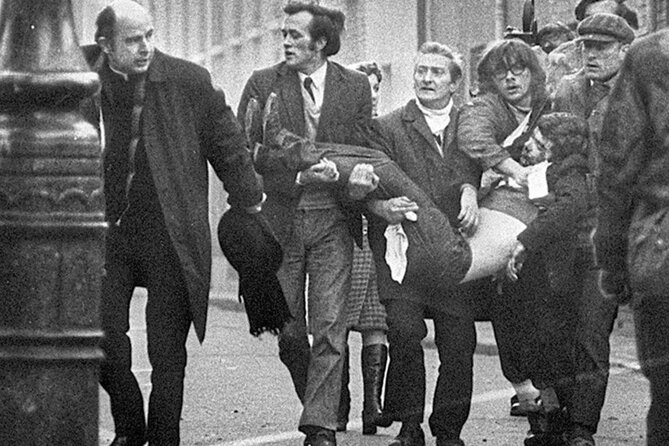
This Bogside History Tour is interesting because it turns a short walk into a real, lived account of Bloody Sunday and the wider Troubles, told in plain human terms. You are not just reading history on a plaque, you are following a route where the past still feels close, guided by people who know the streets well. Firsthand storytelling is the main draw here.
I love how the walk ties the big events to specific landmarks, including the Museum of Free Derry and the area around the Bloody Sunday monument. I also like that it retraces parts of the original march and explains the political and social ripples, not just the headlines.
One possible drawback: the subject matter is heavy, and a few people note that guide style can vary (for example, if you cannot hear clearly). If you prefer a very light, casual vibe, this is not it, but if you want truth and context, it can hit hard in a good way. Expect emotional weight.
Key things to know before you go
- A tight, walkable route that focuses on key sites in the Bogside area outside the city walls.
- Museum of Free Derry connections along the way, so you see where learning happens in this neighborhood.
- Free Derry Corner and the Bloody Sunday monument are part of the ending, with the city walls close by.
- Guides with real connection to the Troubles, including names like Jimmy Toye, John, Paul, McCrea, Neil, and Peter (when available).
- Small group size with a maximum of 20 people, which helps the tour feel more personal.
- A mix of facts and storytelling, sometimes with humor to keep the tone from collapsing into pure darkness.
Starting at Guildhall and making sense of the Bogside fast
You start at Derry Guildhall (Londonderry BT48 7BB), and that matters more than you might think. Guildhall is a straightforward, central launch point for a walking tour focused on one neighborhood, the Bogside, which sits just outside the city walls. Within minutes, the tour shifts from “where am I?” to “how did this place become what it is?”
The whole experience runs about 1 hour 30 minutes for the tour, with some groups running closer to around two hours depending on pacing and questions. It is a small-group walk, capped at 20 travelers, so you are not getting swept along in a crowd. You will have time to stop, listen, and absorb.
A big practical point: wear shoes you trust. The tour is described as a walking history route, and the focus is the people and places where the fighting and aftermath played out. You will likely want good grip and comfortable socks.
Also, the tour is English-language, so it is easy to follow even if this is your first time in Derry.
A few more Derry/Londonderry options side by side
- A History of Terror – Belfast City Centre Walking Tour
★ 5.0 · 2,883 reviews - Private Political History & Murals Tour Belfast
★ 5.0 · 182 reviews - Belfast Political/history/troubles private taxi/cab tour
★ 5.0 · 69 reviews
Stop 1: Guildhall area, the original march, and the weight of the route
The first stop is where the tour begins, built around the idea of retracing parts of the original march. You will hear how the tour examines the political and social repercussions of Bloody Sunday, and you will also pass key places connected to what happened to the dead and wounded.
This part is not just a stroll between photos. The way the route is framed turns it into a walking timeline, moving from the larger story down to specific corners and locations. That makes it easier to understand why people still care about these events, even decades later.
On this section, you also get the Museum of Free Derry connection as the tour moves through the neighborhood. Even if you do not step inside, knowing it is there helps you place the story in a wider context of community memory. The Bogside is an area where culture, protest, and remembrance overlap, and the tour uses the route to show that layering.
What I like about the way Stop 1 sets expectations
This start helps you avoid the common mistake of treating Bloody Sunday like a standalone tragedy. Instead, you get the sense of how tensions built up and how the events fed into a longer period of conflict. That is what turns the walk from “sad facts” into “I get the pattern.”
A possible drawback to consider
The subject matter is intense, and some guides keep the pace tight. If you are someone who wants lots of back-and-forth discussion, it can help to pick a time when the group is calmer and your guide seems chatty. If you prefer a quieter, slower storytelling style, just be ready to lean in during the main explanation rather than expecting a lot of detours.
A different sort of day out of Derry/Londonderry:
- Private Guided Walking Tour in Derry City
★ 5.0 · 635 reviews - Derry City: The troubles Bogside walking tour
★ 5.0 · 503 reviews - Derry City: The Bloody Sunday Story – Walking Tour
★ 5.0 · 186 reviews - Discover the City Walls – Small Group Public or Private Tour
★ 5.0 · 160 reviews
The Bogside itself: murals, community space, and the 1969 Battle of the Bogside
Between the tour stops, the neighborhood background is part of the experience, not a side note. The Bogside, or Taobh an Bhogaigh, is outside the city walls, and that physical boundary is part of why it became such a focal point during the Troubles.
One of the biggest visuals you will run into is the large gable-wall murals by the Bogside Artists. These murals are more than decoration. They are a way the community marks memory, identity, and messages that would otherwise get washed out over time.
You will also hear about the Gasyard, including Gasyard Féile, an annual music and arts festival held in a former gasyard. Even if you are not there during the festival, this detail adds an important angle. The Bogside is not only about conflict. It is also about how people keep building culture and community after hard years.
And then there is the landmark event you should place on your mental map: in 1969, a fierce three-day battle called the Battle of the Bogside became a starting point of the Troubles. That is a key thread in the tour’s storytelling, because it helps explain why Bloody Sunday is not just a moment in history. It is one brutal chapter in a much longer conflict.
Stop 2: Free Derry Corner, the murals at ground level, and the ending mood
The second part of the walk centers on Free Derry Corner, with the tour running so you see major sites and finish in the right emotional place. You will pass the Museum of Free Derry and then the tour concludes at the Bloody Sunday monument, within sight of Free Derry Corner and beneath the city walls.
This layout is smart. You end at a location built to hold attention, not to rush past. The proximity to the city walls also helps you picture how the Bogside sits at the boundary between different spaces, different power, and different narratives.
Free Derry Corner is a place most visitors recognize instantly once they are standing near it. That is partly because of its identity and partly because of the murals and symbols that live on the street level. Standing there after hearing the political and social repercussions of Bloody Sunday makes the meanings feel more grounded. You are not just looking at a sign. You are seeing the neighborhood explain itself.
A note on how the ending can feel
The ending at the Bloody Sunday monument is where the tour’s mood lands. Some guides use humor earlier, and that can make the final moments feel even more intense. Either way, plan for a slightly quieter walk back afterward, even though the tour ends back at the original meeting point.
The guides: what makes the best tours feel human (and what can go wrong)
The most praised aspect of this tour is the guide connection. You may meet guides with names like Jimmy Toye, John, Paul, McCrea, Neil, or Peter. In the accounts tied to these guides, the big strength is that they can describe events with candor and with the emotional math of someone who grew up in the area.
That matters because Bloody Sunday is the kind of history that can become abstract fast. When a guide is personally connected, you get context like timing, crowd mood, how people reacted, and how everyday life got tangled up with politics. In several cases, guides also add light humor to balance the heavy themes. That is not disrespect. It can be a survival skill, and it helps you stay present instead of freezing up.
What to do if you struggle to hear
A small number of people noted that a guide may not be loud enough to hear during the walk. If you are hard of hearing, or if you know you get distracted by background noise, do yourself a favor and position yourself closer to the guide when you can. It helps a lot on a street-level walking tour.
Price and value: why about $27.73 can feel like more than you pay
At $27.73 per person, this tour is priced in the budget-friendly range for a guided history walk in a major Northern Ireland city. The key value isn’t just the duration. It is that you are paying for an organized, coherent route through specific places tied to major events.
You also get a small-group cap of 20 travelers, and that tends to protect the experience from turning into a silent line shuffle. Another value factor is the mix of landmark viewing and story. You are not only looking at murals or monuments. You are getting the why behind them.
A few people also emphasize that this one can be cheaper than other local tours, and the consensus is that the price matches the payoff, especially if your main goal is modern history with personal context. If you want a quick overview, this might feel short. If you want something that changes how you see Derry, it is usually the right length.
Practical pacing: how long to plan and what to bring
Plan on about 90 minutes, with some departures running closer to two hours depending on the group and guide. The route includes stops and the final monument segment. So, even though it is not a half-day hike, give yourself enough buffer to not rush your other plans.
Bring:
- Comfortable walking shoes
- A light layer, since Northern Ireland weather can switch fast
- A phone that is charged enough to use your mobile ticket if needed
The tour allows service animals, and it is described as near public transportation. If you are using transit, you should find it easy enough to connect to the meeting point.
Who this tour is best for (and who might want a different option)
This is best for you if you want modern history that connects real events to a real neighborhood. If you like walking tours that explain context instead of just pointing at buildings, you are in the right place.
It is also a strong choice if you want to hear from guides with ties to Derry. That personal layer can make the story feel less like homework and more like understanding people.
This might not be the best fit if you want:
- A light, casual outing
- A neutral, clinical tone where emotions are minimized
- A long, slow pace with lots of open discussion every few minutes
Still, even if the subject feels heavy, the structure of the walk helps you stay oriented and makes the experience easier to process.
Should you book the Walking Bogside History Tour in Guildhall?
If you are visiting Derry and you care about understanding Bloody Sunday in a way that goes beyond basic facts, I think you should book it. The ending at the Bloody Sunday monument, plus the way the tour connects Free Derry Corner and the neighborhood murals, creates a clear emotional and geographic path.
Pick this tour especially if you want a human account with stories that include humor and pain side by side, and you are okay with being moved. If you are the type who gets stressed by heavy topics, go in with that awareness, and give yourself time afterward to sit with what you learned.
FAQ
How long is the Walking Bogside History Tour?
The tour is approximately 1 hour 30 minutes, and some groups may run closer to around two hours.
Where do I meet for the tour?
The meeting point is Derry Guildhall, Londonderry BT48 7BB, UK.
Where does the tour end?
The activity ends back at the meeting point.
Is the tour offered in English?
Yes, it is offered in English.
Do I need a paper ticket?
No, it uses a mobile ticket.
How big is the group?
The tour has a maximum of 20 travelers.
Are service animals allowed?
Yes, service animals are allowed.
What is the cancellation policy?
You can cancel for free up to 24 hours in advance for a full refund.
Who can participate?
Most travelers can participate.
Just added around Derry/Londonderry
- Derrie Danders: A Self-Guided Audio Tour of the Riverside and South City★ 5.0 · 3 reviews
- Derrie Danders: Wander around the Waterside on a self-guided GPS audio tour★ 4.5 · 3 reviews
- Full Day Private Luxury Tour of Causeway Coast (Giants Causeway)★ 5.0 · 5 reviews
- Bloody Sunday and Bogside Murals Walking Tour★ 5.0 · 6 reviews
- Giant’s Causeway & Game of Thrones (luxury Private Tour)★ 5.0 · 15 reviews
- Herstory Derry Tour★ 5.0 · 16 reviews
- Derrie Danders: Unveiling Derry’s Dark & Haunted Past Audio Tour★ 4.5 · 3 reviews
- Derrie Danders: A Self-Guided Audio Tour of the Walled City’s West★ 4.5 · 6 reviews
Derry-Londonderry Tours, compared.
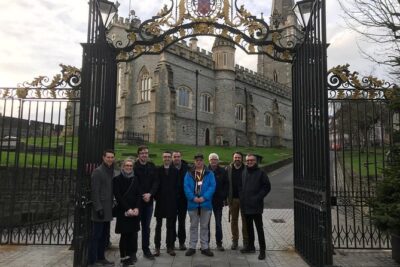
Discover the City Walls – Small Group Public or Private Tour
Read our review →
Derrie Danders: Highlights of the Walled City a Self-Guided Audio Tour
Read our review →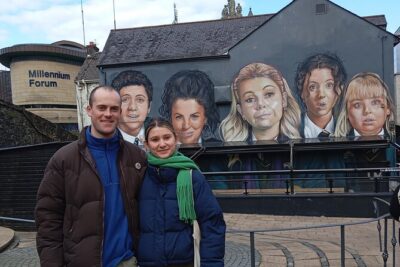
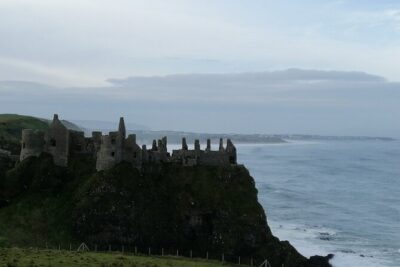
Giant’s Causeway & Game of Thrones (luxury Private Tour)
Read our review →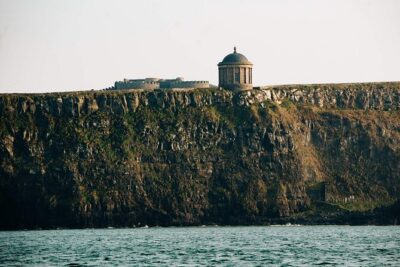
Full Day Private Luxury Tour of Causeway Coast (Giants Causeway)
Read our review →
Derrie Danders: Unveiling Derry’s Dark & Haunted Past Audio Tour
Read our review →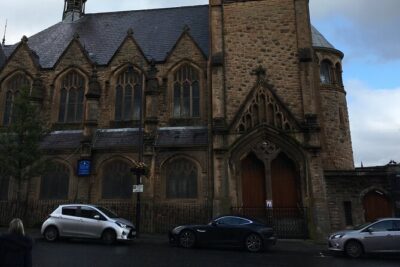
Derrie Danders: A Self-Guided Audio Tour of the Riverside and South City
Read our review →Browse the lists this tour appears in