
Reviewed · DERRY-LONDONDERRY TOURS
Private Guided Walking Tour in Derry City
Derry can be heavy, but it is also fascinating. This private guided walking tour focuses on how the Troubles shaped everyday life in the Bogside, and how the peace process model has been used far beyond Northern Ireland. You get history you can see with your eyes, not just read on a board.
I especially like the personal stories from local guides like Michael and Noel, including firsthand memories in Noel’s case. I also like that the route centers on real-world landmarks such as Free Derry Corner and the murals numbered 68-96, so you understand the conflict through the places people actually walked past every day. One thing to consider: the subject matter is emotionally intense, so it may feel like a lot if you prefer lighter history.
Key highlights you can plan around
- A private, small-group feel so you can ask questions without the noise of a big crowd
- Free Derry Corner photostop in the heart of the Bogside
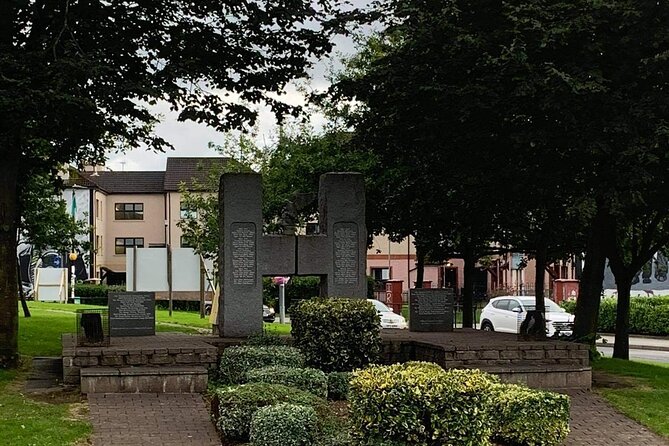
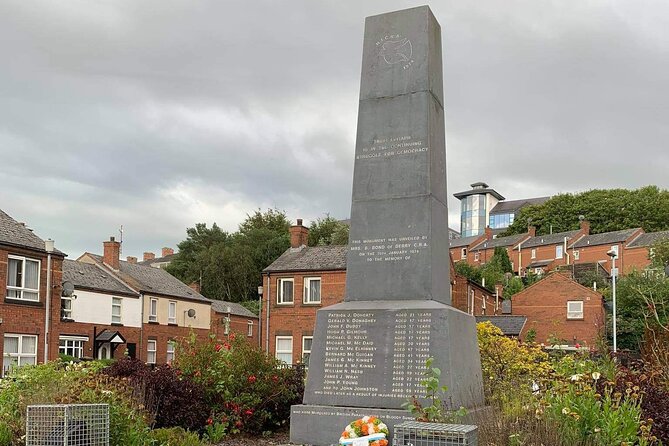
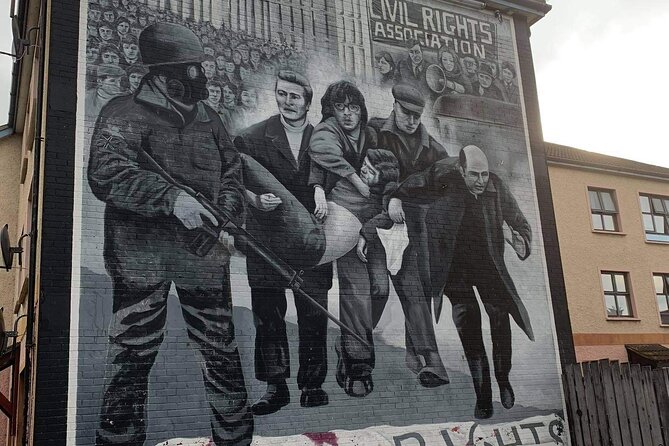
- Bloody Sunday memorial stop with a guided explanation of what happened and why it mattered
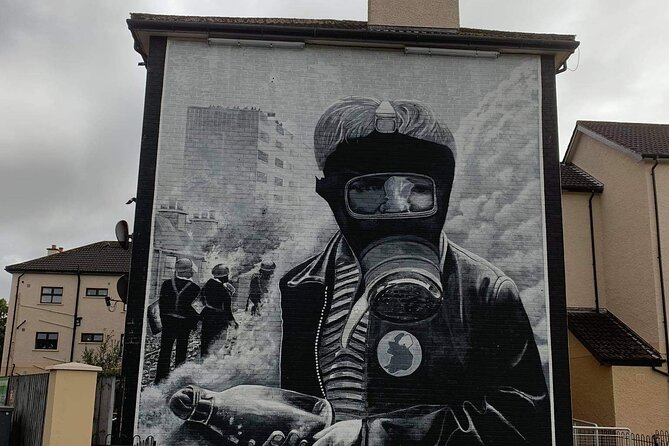
- Bogside murals 68-96 with an on-the-ground walkthrough of key Republican mural locations
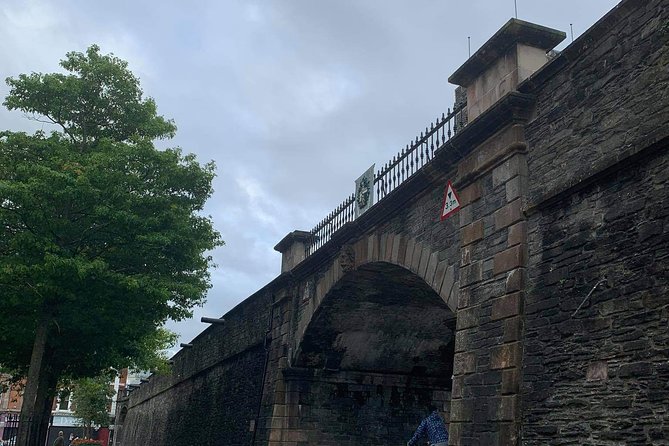
- City Walls context tying the 17th-century Plantation of Ulster and Siege of Derry to modern politics
- Peace process perspective on how Derry’s story connects to conflict resolution elsewhere
Why a Derry walking tour beats museum time for The Troubles
If you want a real sense of Derry, you need streets, not just rooms. This walk is built around the Bogside and the surrounding areas where symbols and memories are painted onto walls and remembered at memorials. You’ll hear the conflict described through everyday life and local nuance, not just a single headline version of events.
What makes this style of tour work is the way it connects three layers. First, you see landmarks like Free Derry Corner and the Bloody Sunday memorial. Second, you trace how community identity shows up in murals, including the Republican mural trail around 68-96. Third, your guide ties the story back to how peace negotiations and political change affect real people.
One practical note for your expectations: this is not a casual stroll for small talk. The guides are local, and some, like Michael or Noel (as named in past tour experiences), share personal ties that can make the experience feel very direct.
A few more Derry/Londonderry options side by side
- Derry City: The troubles Bogside walking tour
★ 5.0 · 503 reviews - Walking Bogside History Tour in Guildhall
★ 5.0 · 280 reviews - Derry City: The Bloody Sunday Story – Walking Tour
★ 5.0 · 186 reviews
Meeting at Derry Guildhall, then walking into the Bogside
The tour starts by Derry Guildhall in Londonderry and typically finishes on Rossville Street in the Bogside area. That end point is useful because it keeps you near where many people want to be after a tour, especially if you’re heading to a meal or wandering around that part of town.
You’ll be walking for about 1 hour 45 minutes (approx.), which is long enough to make sense of the main story, but short enough to still plan a second activity the same day. Pickup is offered, and there’s a mobile ticket, which tends to simplify last-minute logistics. The route is described as doable for most travelers, and it’s private, meaning only your group takes part.
Also worth knowing: because the tour is private, your guide can pace the story to your comfort level. That matters here. Some people want extra explanation at the memorial stop. Others want to focus more on the visuals of the murals. Either way, you are not stuck in a fixed, one-size-fits-all group rhythm.
Stop 1: Free Derry Corner photostop in the Bogside
Free Derry Corner is one of those places that feels like a symbol before you even hear the explanation. The tour includes a 10-minute photostop, which is just enough time to take photos and also to orient yourself. You’re in the Bogside, and you can sense why this spot became a shorthand for civil rights and local resistance.
The guide’s job at this stop is to help you read what you see. You’re not just collecting a photo for later. You’re learning what the symbol meant to people at the time and why it still matters in how the city remembers its past.
A small practical caution: because this is a photostop, your comfort and timing will depend on conditions and crowd flow. On a bright day, it’s easy. On a rainy day, you’ll want to have a plan for your phone camera and keep moving so you don’t get stuck longer than expected.
Stop 2: Bloody Sunday Memorial and the conflict’s turning points
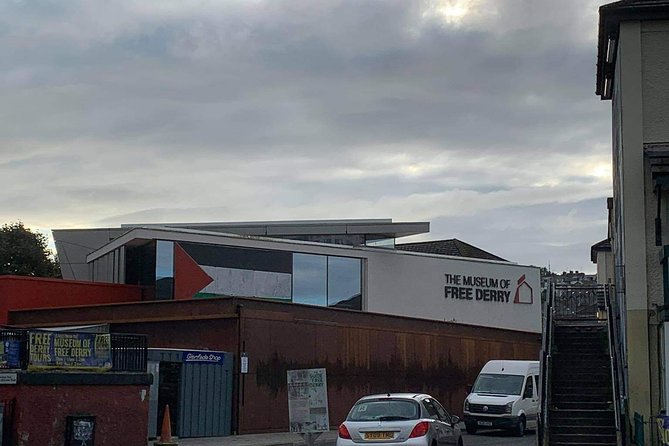
Next comes the Bloody Sunday memorial stop, with a 15-minute explanation built around the events and what they meant for the conflict and the peace process that followed. This is often the most emotionally intense part of the route, because you’re not hearing history in the abstract. You’re hearing about a specific moment remembered in a specific place.
What I value about how this tour handles it is that it doesn’t stop at the event itself. Your guide is expected to connect Bloody Sunday to broader implications for Northern Ireland and the path toward peace. That framing helps you understand why people talk about this moment decades later, and why it sits at the center of so many local stories.
If you’re worried about balance in political storytelling, this is also the place to set your expectations early. A guide might emphasize one interpretation more than another, especially when they speak from personal experience. You can address this by asking direct questions like, How did people locally see accountability at the time? Or, What changes happened after the event in community life? You’ll get a clearer picture fast.
More of Derry-Londonderry:
- Discover the City Walls – Small Group Public or Private Tour
★ 5.0 · 160 reviews - Peacemakers Museum Entry Ticket
★ 5.0 · 37 reviews - Private Guided Tour of Causeway Coastal Route
★ 5.0 · 31 reviews - Derrie Danders: Highlights of the Walled City a Self-Guided Audio Tour
★ 5.0 · 30 reviews
Stop 3: Republican murals 68-96 and how to read wall art
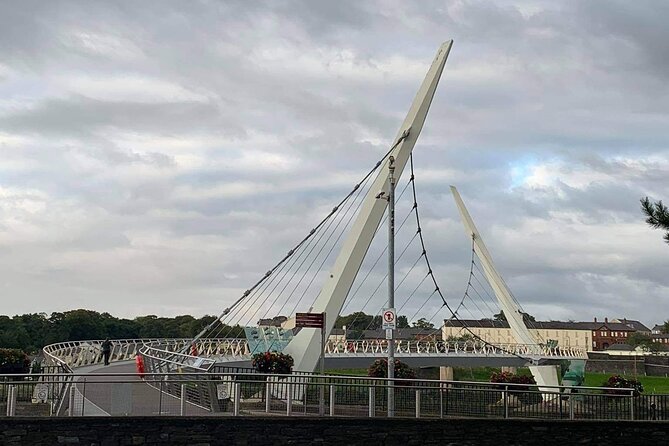
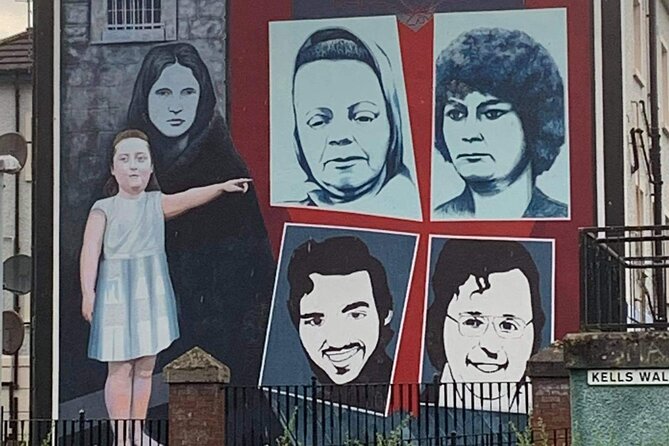
Then you move into the heart of the mural section, with about 1 hour devoted to the key murals in the Bogside area, including the well-known 68-96 stretch. If you’ve ever looked at murals and thought, People sure paint a lot of emotion on walls, you’re exactly the right person for this stop.
The guide’s explanation is the difference between admiring paint and understanding meaning. You’ll hear what the murals represent, why certain images or text show up where they do, and how the community uses wall art as memory, messaging, and identity.
This is also where the tour’s “both sides” promise matters. The highlights mention Republican and Loyalist murals around the city. Even if the densest mural time is in the Bogside, the walking route format gives you a wider sense of how different communities visually express their narratives.
One drawback to be aware of: mural tours can become heavy if you’re expecting this to be purely aesthetic. If you enjoy art but also get overwhelmed by political history, you might want to slow down at the points that feel intense and ask for a bit more context. The good guides will answer, and the best ones will pace the story so you can keep processing.
Stop 4: City Walls, Plantation of Ulster, and Siege of Derry
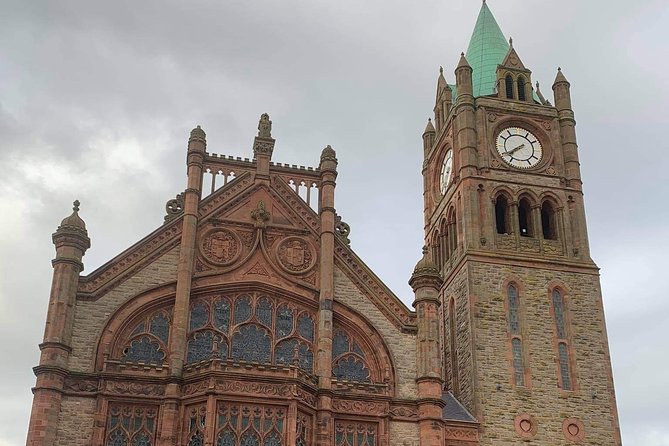
The tour typically starts beside the City Walls, and you’ll spend about 20 minutes on this context stop. This is where the story stops being only about the modern Troubles and becomes longer-term. Your guide links the walls to the 17th-century Plantation of Ulster and the Siege of Derry, explaining why those events shaped the political conflict that came later.
This part matters because many visitors arrive with a short timeline in mind. A wall, a siege, and a plantation sound like distant medieval or early modern background. But in Derry, those events created the setting for later identity conflicts and power struggles. When your guide connects it to modern politics, the city walls stop being just a scenic walk and become a timeline you can physically trace.
Practically, the City Walls stop is also a good reset. After memorial intensity and mural density, this is the place where many people feel their understanding “snap into place.” You see how the present connects to earlier divisions, and you learn why peace discussions often require more than just one agreement or one election.
Why the peace process model is part of the walk, not an add-on
One of the standout claims about this tour is that you’ll learn how the Irish peace process model has been used around the world. That might sound like a lecture topic, but on this route it works because you already have the emotional geography.
You start with symbols that represent civil rights and community resistance. You move to a memorial that represents a painful turning point. You look at murals that show how communities remember, argue, and keep identity visible. Then you get the broader frame of how peace processes can address conflict over time.
If you like history that has a present-day angle, this is your reason to book. You’re not just collecting “what happened.” You’re learning how that kind of conflict can move toward negotiation and civic change.
Also, if you’re traveling with teens or preteens, it helps to know that the emotional weight can land differently by age. One past experience notes that it was a bit heavy for kids around 11 and 14, but they still learned and appreciated the experience. That’s your signal to prepare. If your kids can handle serious topics with guidance, this walk can teach empathy and context quickly.
What you really learn from local guides like Michael and Noel
A big reason people rate this tour so highly is the guide factor. Names that come up repeatedly include Michael and Noel, and sometimes Aiden or Mickey. These guides are local and often speak from direct involvement or close personal proximity to events and community life.
When a guide has those ties, you don’t just get facts. You get nuance, like how media narratives can shape conflict perception, or how people understood power imbalance at the time. Some reviews emphasize how the guide helped them see that the Troubles were not simply religious-based violence, but connected to deeper issues of equality and power.
Now the balance note. A minority of feedback in the source material criticizes the tour as too one-sided. Since the tour includes personal storytelling, political perspectives can come through more strongly than some visitors want. If that worries you, treat the tour as an entry point, not the final word. Ask for details, request context, and listen for how your guide explains complexity.
Getting value for $41.61 and 1h45 on the clock
At $41.61 per person for about 1 hour 45 minutes, you’re paying for guided interpretation of major emotional sites and key streets, not a long day tour. This can be good value if you want maximum learning per hour.
You also benefit from the way admissions are handled at stops in the route. The listed stops show free admission tickets, which typically means you’re not paying extra museum or site entry fees. In practice, that keeps the cost predictable. It also supports your planning, because you can treat the experience as mostly time and guide value rather than add-on costs.
And since it’s private, the time you pay for is truly your group’s time. If you’re traveling as a family or small group, private guiding can end up feeling more efficient than squeezing into a larger bus tour. You can ask questions at the memorial stop, pause for photos at Free Derry Corner, and get your mural questions answered without feeling rushed by a crowd.
One time-saving idea: wear layers. The source experiences mention cold weather and snow showers on some tours. In that kind of weather, comfort matters because you need to stay focused for the heavier parts.
Who should book this Derry private walking tour?
Book it if you want an honest, place-based introduction to Derry’s Troubles and the peace process, with a route built around the Bogside. It’s ideal if you like walking tours that explain what symbols mean, not just where to take pictures.
It’s also a strong pick if you’re interested in how visual art communicates political messages. The mural section, especially the 68-96 area, is the reason this walk isn’t just a memorial tour.
Consider skipping or adjusting your expectations if you dislike politically focused history, especially where guides may share personal views rooted in community experience. This is not neutral-feeling content. It is guided interpretation of conflict and memory.
If you’re visiting from Belfast by train for a day trip, the tour’s length also fits nicely. You can do it as a central “anchor” experience, then spend the rest of the day exploring with a clearer sense of what you’re looking at.
Should you book this Private Guided Walking Tour in Derry City?
Yes, I think you should book it if you want a short, high-impact way to understand Derry beyond the surface. The route connects major symbols like Free Derry Corner, the emotional weight of the Bloody Sunday memorial, and the meaning-packed visuals of the Bogside murals 68-96, then pulls it together with context from the City Walls and the peace process.
Do book with the right mindset. This tour is designed to be moving, and sometimes that’s the point. If you’re ready to ask questions and absorb a difficult story in a guided, respectful way, you’ll likely walk away with a sharper understanding of how Derry remembers, argues, and hopes.
If you prefer a lighter history tour, or if you need a strictly neutral tone, you might want to compare styles before choosing. But for most people looking for real context in a walkable part of town, this one is an excellent start.
FAQ
How long is the private guided walking tour in Derry City?
The tour duration is approximately 1 hour 45 minutes.
Is this tour private or shared with other groups?
It is private. Only your group will participate.
What language is the tour offered in?
The tour is offered in English.
Where does the tour start and end?
The tour starts at Derry Guildhall, Londonderry BT48 7BB, and ends at Rossville Street, Rossville St, Londonderry BT48.
Is pickup available?
Pickup is offered.
Will I need a physical ticket?
No. The tour uses a mobile ticket.
Are service animals allowed?
Yes, service animals are allowed.
When will I receive confirmation after booking?
Confirmation is received within 48 hours of booking, subject to availability.
What is the cancellation policy?
Free cancellation is available, and you can cancel up to 24 hours in advance for a full refund.
Just added around Derry/Londonderry
- Derrie Danders: A Self-Guided Audio Tour of the Riverside and South City★ 5.0 · 3 reviews
- Derrie Danders: Wander around the Waterside on a self-guided GPS audio tour★ 4.5 · 3 reviews
- Full Day Private Luxury Tour of Causeway Coast (Giants Causeway)★ 5.0 · 5 reviews
- Bloody Sunday and Bogside Murals Walking Tour★ 5.0 · 6 reviews
- Giant’s Causeway & Game of Thrones (luxury Private Tour)★ 5.0 · 15 reviews
- Herstory Derry Tour★ 5.0 · 16 reviews
- Derrie Danders: Unveiling Derry’s Dark & Haunted Past Audio Tour★ 4.5 · 3 reviews
- Derrie Danders: A Self-Guided Audio Tour of the Walled City’s West★ 4.5 · 6 reviews
Derry-Londonderry Tours, compared.
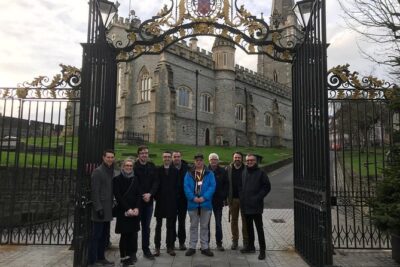
Discover the City Walls – Small Group Public or Private Tour
Read our review →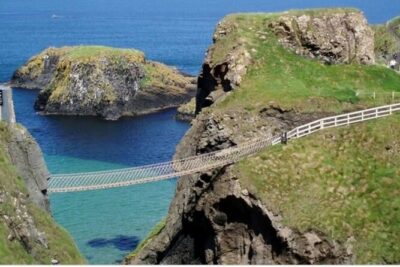
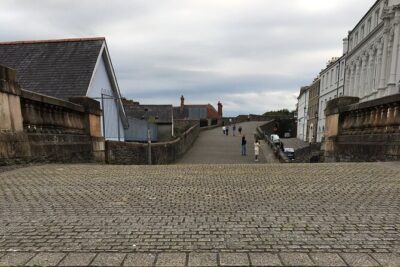
Derrie Danders: Highlights of the Walled City a Self-Guided Audio Tour
Read our review →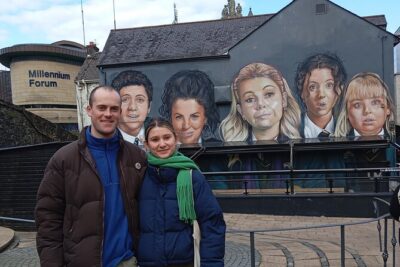
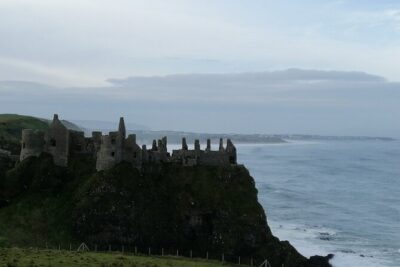
Giant’s Causeway & Game of Thrones (luxury Private Tour)
Read our review →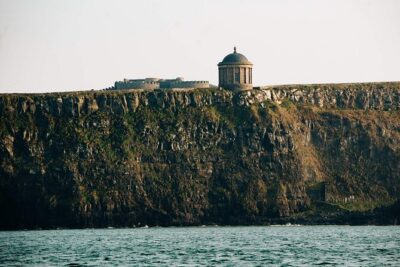
Full Day Private Luxury Tour of Causeway Coast (Giants Causeway)
Read our review →
Derrie Danders: Unveiling Derry’s Dark & Haunted Past Audio Tour
Read our review →
Derrie Danders: A Self-Guided Audio Tour of the Riverside and South City
Read our review →Browse the lists this tour appears in